








Fatigue and Performance Diagnosis: The QLens Solution
Written by Francesco Rocchi and Leonardo Viola
The integration of artificial intelligence (AI) in the radiology sector has undergone one of the most significant transformations in contemporary medicine. This integration has emerged as a direct response to the exponential increase in the volume of examinations and the fatigue of professionals, factors that compromise patient safety.
In this environment, QLens longitudinal medical imaging software helps medical teams compare examinations across time, isolate meaningful differences, and review explainable visual evidence without automating the physician’s diagnosis.
The State of the Art
A review of the state of the art demonstrates that AI has the real potential to automate repetitive tasks, standardize processes, and reduce cognitive overload through quantifiable evidence. Among these articles, a 2025 study focused on analyzing the eye movements of radiologists in chest X-rays demonstrated that it is possible to predict diagnostic errors using a recurrent neural network, achieving an AUC of 0.7755. Complementing these positive results, a review study, which analyzed 66 articles on the impact of AI on magnetic resonance imaging, concluded that about half of the cases showed clear productivity gains. These results were driven by the automation of segmentation and the reduction of acquisition and reading times.
Another determining factor in diagnostic accuracy is the quality of the examination, which historically depended on subjective review. A 2025 systematic review confirmed that poorer image quality leads to incorrect diagnoses and unnecessary repetition of exams, highlighting AI as a crucial tool for automating and standardizing this assessment consistently and independently of human workload. Additionally, object detection and high-resolution image segmentation models have proven not only to match the performance of experts but also to reduce interobserver variability and mitigate the omission errors inherent in extensive manual analysis, freeing up cognitive capacity for more complex cases.
Finally, fatigue and circadian misalignment emerge as documented and measurable causes of clinical errors. Data from 2020 reveal that the error rate in interpreting body computed tomography (CT) scans rises from 2.0% during the day shift to 3.0% during the night shift, scaling to 3.7% in the second half of the night, affecting 69% of the professionals analyzed, even under a lower hourly workload. These indicators confirm that fatigue in radiology is not just an operational detail, but a critical clinical safety factor that artificial intelligence is capable of mitigating.
The solution to overcome these human limitations lies, imperatively, in the integration of multimodal and longitudinal data. The development of systems based on explainable artificial intelligence that centralize this information allows for the generation of analyses adapted to the clinician, directly addressing the cognitive overload inherent in radiology work.
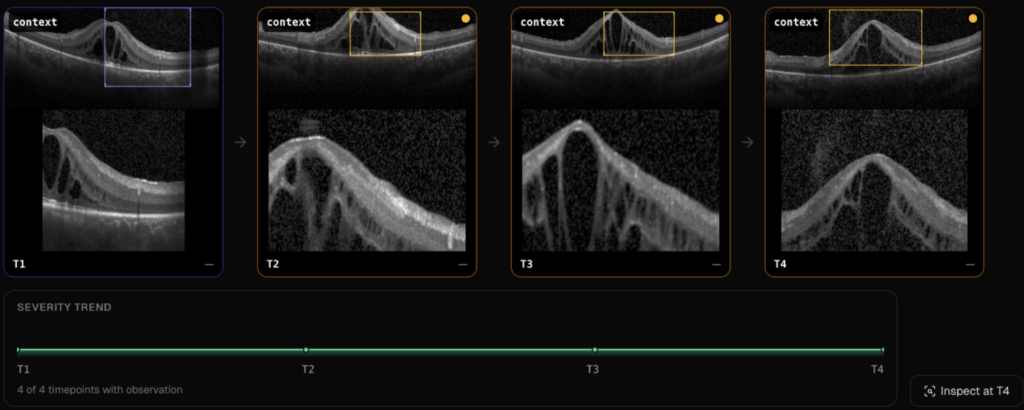
QLens emerges as a practical tool that transforms multi-modality medical exams into intelligent digital entities
The QLens Solution
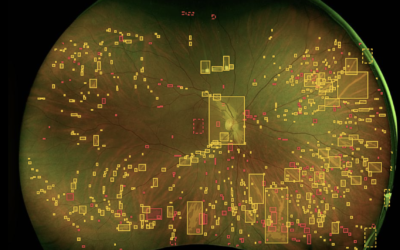
It is precisely at the intersection of these critical needs that the technology developed by QuantumSpace positions itself. As a direct response to the challenges of data exhaustion and complexity in image analysis, QLens emerges as a practical tool that transforms multi-modality medical exams into intelligent digital entities, mathematically coded so that the system understands and cross-references their visual patterns. Instead of processing images in isolation, the platform combines cognitive computing and large-scale data architectures to structure and contextualize exams over time.
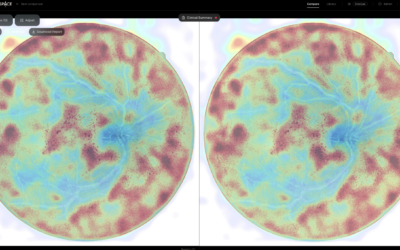
Its fundamental role is to enhance medical observation by detecting micropatterns, anatomical variations, and biological correlations hidden in previously fragmented files. By adhering to visual data governance best practices, the platform creates a layer of intelligence that continuously evolves to optimize workflows and support continuous patient monitoring.
Understanding the real impact of this technology requires precisely defining its scope of action in medical practice. The system was not designed to issue diagnoses, interpret, or judge the clinical significance of images, functions that would require traditional clinical validation studies to determine sensitivity, specificity, or diagnostic accuracy. The absence of diagnostic performance metrics is not a limitation of QLens, but rather a direct consequence of its nature and architecture.
Success indicators
QLens operates on another level: its purpose is to demonstrate, in a completely objective and repeatable way, where and how much the images of the same patient have changed over time. By performing this structured longitudinal comparison, the platform leaves the clinical interpretation to the physician or researcher.
For this reason, the success indicators of QLens do not lie in diagnostic accuracy, but in the reliability and absolute reproducibility of the comparison. For research or quality control audiences, the system’s greatest guarantee is that, given the same patient and the same pair of images, QLens will always produce rigorously the same result.
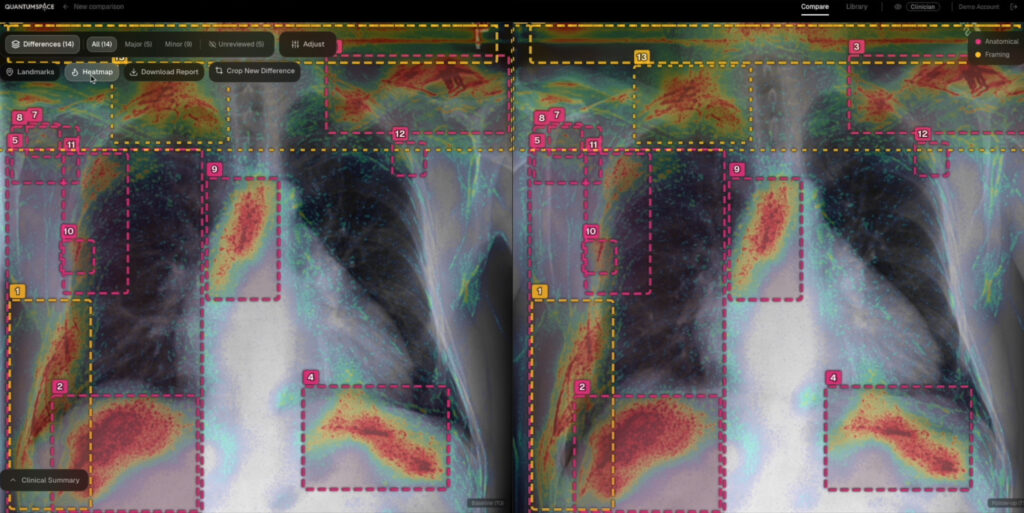
QLens supports clinicians and medical teams in making informed decisions based on structured, coherent data
Conclusion
In the long term, QuantumSpace’s main goal with QLens is to establish the foundations for a global and collaborative medical infrastructure capable of tracking the pathogenesis of pathologies in real time and associating image patterns with effective therapies on a global scale.
This technology, as well as the integration of artificial intelligence in general, does not emerge to replace the radiologist but rather to provide structural support that mitigates human cognitive limitations in the analysis of massive volumes of data. It also allows the physicians to optimize their operational time, allowing for a more rapid and precise diagnostic process that has consequences not just in the effectiveness of the diagnosis, but also the overall number of cases that could be taken care of.
Ultimately, the purpose is to neutralize vulnerabilities to enhance patient safety, synergistically harmonizing the analytical potential of AI with the irreplaceable role of clinical judgment.
References
Anikina, A., Ibragimova, D., Mustafaev, T., Mello-Thoms, C., & Ibragimov, B. (2025). Prediction of radiological decision errors from longitudinal analysis of gaze and image features. Artificial Intelligence in Medicine, 160. https://doi.org/10.1016/j.artmed.2024.103051
Elhanashi, A., Saponara, S., Zheng, Q., Almutairi, N., Singh, Y., Kuanar, S., Ali, F., Unal, O., & Faghani, S. (2025). AI-Powered Object Detection in Radiology: Current Models, Challenges, and Future Direction. In Journal of Imaging (Vol. 11, Number 5). Multidisciplinary Digital Publishing Institute (MDPI). https://doi.org/10.3390/jimaging11050141
Herath, H. M. S. S., Herath, H. M. K. K. M. B., Madusanka, N., & Lee, B. Il. (2025). A Systematic Review of Medical Image Quality Assessment. In Journal of Imaging (Vol. 11, Number 4). Multidisciplinary Digital Publishing Institute (MDPI). https://doi.org/10.3390/jimaging11040100
Krishna NK, R., R.S., A., & K, S. (2025). Artificial Intelligence in Radiology: Augmentation, Not Replacement. Cureus. https://doi.org/10.7759/cureus.86247
Li, B., Zhou, J., Gou, F., & Wu, J. (2025). TransRNetFuse: a highly accurate and precise boundary FCN-transformer feature integration for medical image segmentation. Complex and Intelligent Systems, 11(5). https://doi.org/10.1007/s40747-025-01847-3
Nair, A., Ong, W., Lee, A., Leow, N. W., Makmur, A., Ting, Y. H., Lee, Y. J., Ong, S. J., Tan, J. J. H., Kumar, N., & Hallinan, J. T. P. D. (2025). Enhancing Radiologist Productivity with Artificial Intelligence in Magnetic Resonance Imaging (MRI): A Narrative Review. In Diagnostics (Vol. 15, Number 9). Multidisciplinary Digital Publishing Institute (MDPI). https://doi.org/10.3390/diagnostics15091146
Pahud de Mortanges, A., Luo, H., Shu, S. Z., Kamath, A., Suter, Y., Shelan, M., Pöllinger, A., & Reyes, M. (2024). Orchestrating explainable artificial intelligence for multimodal and longitudinal data in medical imaging. In npj Digital Medicine (Vol. 7, Number 1). Nature Research. https://doi.org/10.1038/s41746-024-01190-w
Patel, A. G., Pizzitola, V. J., Johnson, C. D., Zhang, N., & Patel, M. D. (2020). Radiologists make more errors interpreting off-hours body CT studies during overnight assignments as compared with daytime assignments. Radiology, 297(2), 374–379. https://doi.org/10.1148/RADIOL.2020201558
Related Posts:
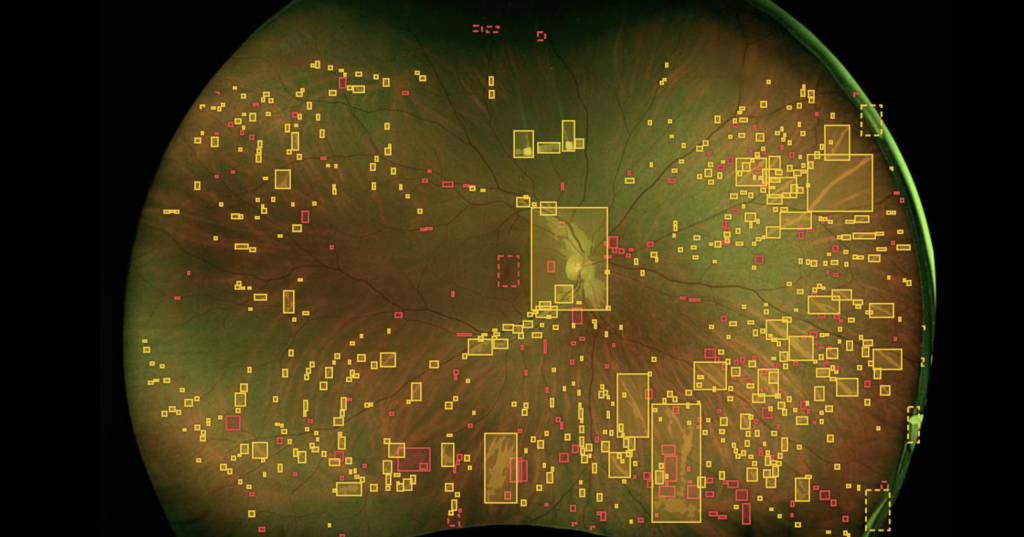
QLens Meets the Market: Our Healthcare Technology for Clinicians
The announcement of QuantumSpace's participation in the most prominent Biomedical events in the US. Confronting with clinicians and investors, our CEO and COO showcase the full potential of our technology.
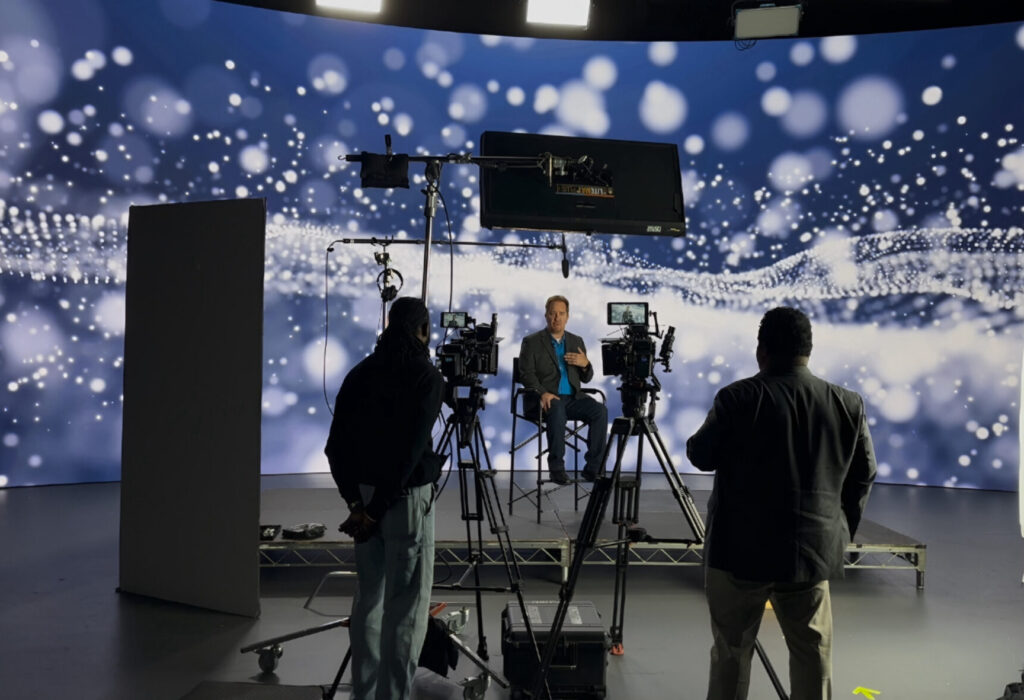
QuantumSpace Announces Appointment of Sean Sykes as CEO
QuantumSpace officially announces the appointment of Sean Sykes as Chief Executive Officer, accelerating the momentum to deliver breakthrough results for a range of industries, including SHM and Biomedical.
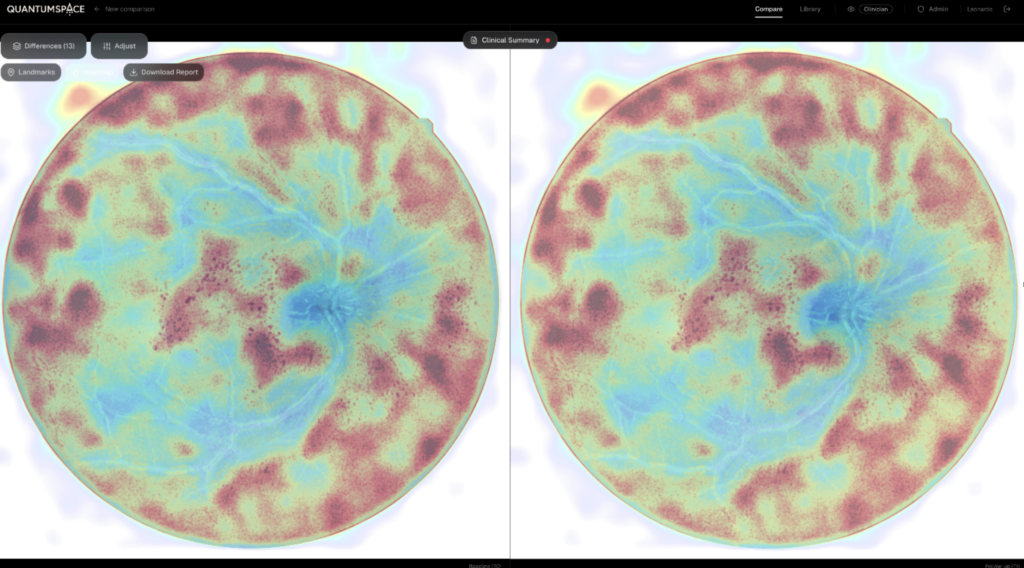
From Subjectivity to Precision: Removing Inconsistency in Medical Evaluations
QLens establishes the foundations for a global medical infrastructure capable of tracking pathogenesis in real time, providing structural support while leaving the clinical interpretation to the physicians.