








Visual Intelligence Technology Explained
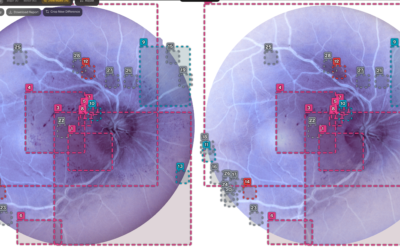
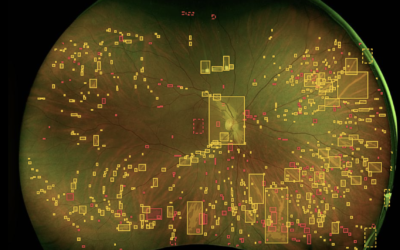
QuantumSpace develops visual intelligence technology that transforms images and visual signals into structured, measurable data. Through computer vision, image diagnostics, and advanced data analysis, visual information can be compared, classified, monitored, and used to support more reliable decision-making across multiple industries.

QuantumSpace Art
The Dawn QuantumSpace
QuantumSpace is founded in Desenzano del Garda, Italy, with the vision of turning visual signals into structured data.
QuantumSpace’s early work established the foundation for a broader approach to visual intelligence technology, where images become structured data that can support analysis, comparison, authentication, and monitoring across different applications.
First Vertical: Art
Launch of QuantumSpace art project, focused on authentication, classification, and restoration support through image diagnostics.
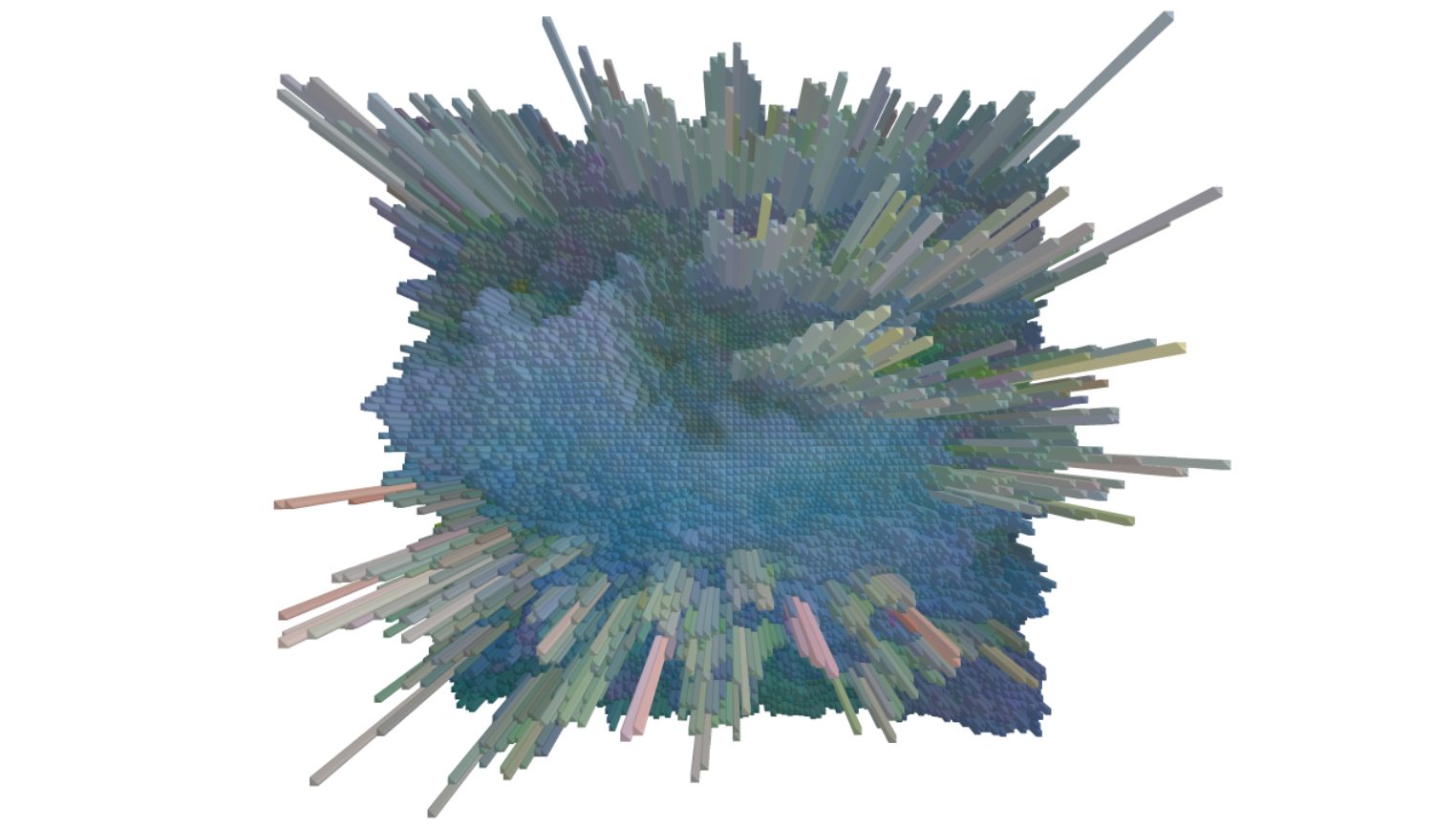
Zenital Analysis of Monet's Water Lilies
Credit: QuantumSpace AI
Strategic Expansion to New York
Backed by NextTech VC and supported by Pier59 Studios, QuantumSpace relocates its headquarters to New York City.
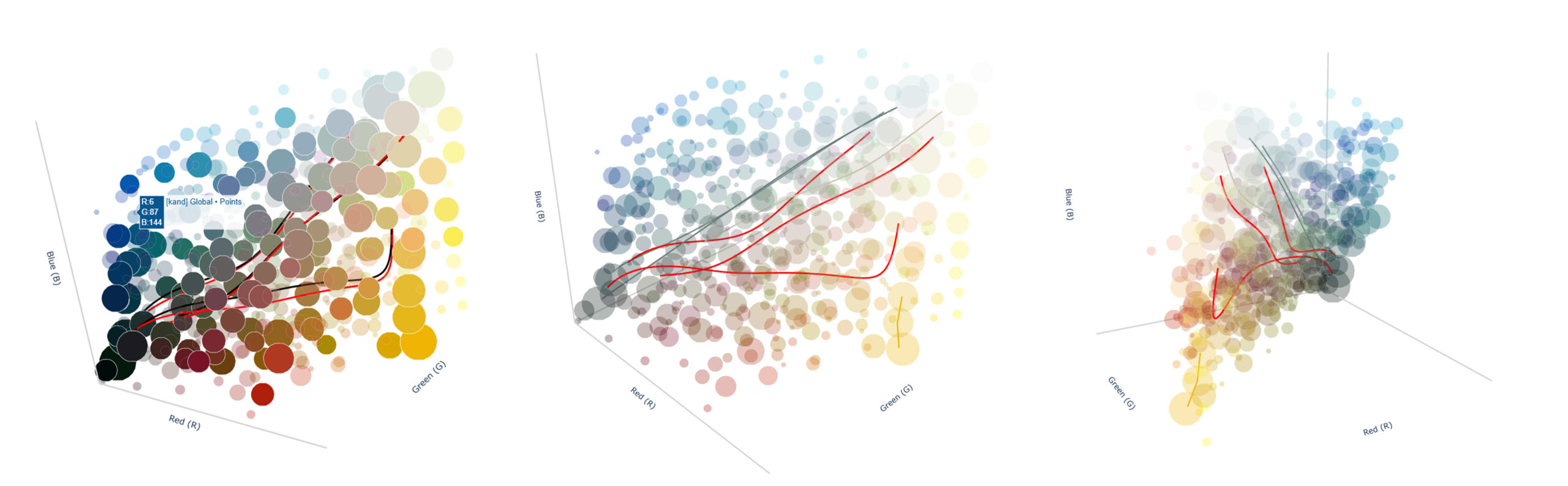
Scatter Plot Analysis of Vassily Kandinsky's Impression III Concert
Credit: QuantumSpace AI
Industry Diversification
Expansion into automotive (defect detection & component analysis) and marble & natural materials (surface classification from images).
Academic Partnerships
Initiation of collaborations with international universities and research centers to strengthen the scientific foundation of our technology.
Key Terms
Zenital
The software performs a Three-Dimensional Color Volumetric Extraction. This technology enhances standard brightness extraction by incorporating color data into the topographical representation of each image. The advanced technique generates a detailed three-dimensional “color sculpture” for both, where each block’s position corresponds to specific areas, with heights representing brightness values (0-255) and surfaces displaying the actual colors.
Scatter Plot
The three-dimensional plot enables a comparative analysis of how colors are distributed across the RGB axes in both images, highlighting similarities and differences in their chromatic composition By plotting the red, green, and blue values against each other, the scatter plot reveals clusters that indicate dominant color trends and transitions. Areas with high concentrations of points suggest prevalent color combinations, while sparse regions indicate less common or unique hues.